LED Video Wall Cost: Complete Pricing Guide and Factors That Affect the Price

Introduction

When planning a digital display project, one of the first questions businesses ask is: “How much does an LED video wall cost?”

The answer depends on several factors, including screen size, pixel pitch, indoor or outdoor use, brightness requirements, installation method, and the quality of components used. Unlike traditional displays, LED video walls are highly customizable, allowing businesses to create screens for different applications such as retail stores, corporate offices, stadiums, concerts, control rooms, and outdoor advertising.

While the initial investment may seem higher than conventional display solutions, LED video walls provide long-term value through durability, high brightness, flexible sizing, and excellent visual impact.

This guide explains the major factors that influence LED video wall cost, typical pricing considerations, and how to choose the right LED display solution for your project.

Table of Contents

What Is an LED Video Wall?

An LED video wall is a large display system made up of multiple LED modules or cabinets connected together to create one seamless screen.

Unlike LCD video walls that use separate panels with visible bezels, LED technology uses individual light-emitting diodes to produce the image directly. This allows manufacturers to create displays in almost any size or shape.

LED video walls are commonly used for:

The cost varies because every project requires different specifications based on location, viewing distance, and performance requirements.

What-Is-an-LED-Video-Wall

Average LED Video Wall Cost

There is no fixed price for an LED video wall because each system is customized. However, pricing is usually calculated based on:

  • Screen size
  • Pixel pitch
  • LED quality
  • Cabinet type
  • Installation requirements
  • Control system
  • Accessories

A small indoor LED video wall may require a lower investment, while a large outdoor advertising display can cost significantly more due to higher brightness levels, weather protection, and structural requirements.

A typical LED video wall project includes:

1. LED Display Hardware

This includes:

  • LED modules
  • Cabinets
  • Receiving cards
  • Power supplies
  • Control systems

The display itself usually represents the largest portion of the total investment.

LED-Display-Hardware

2. Installation Costs

Installation may include:

  • Steel structure
  • Mounting systems
  • Electrical work
  • Data wiring
  • Calibration
  • Testing

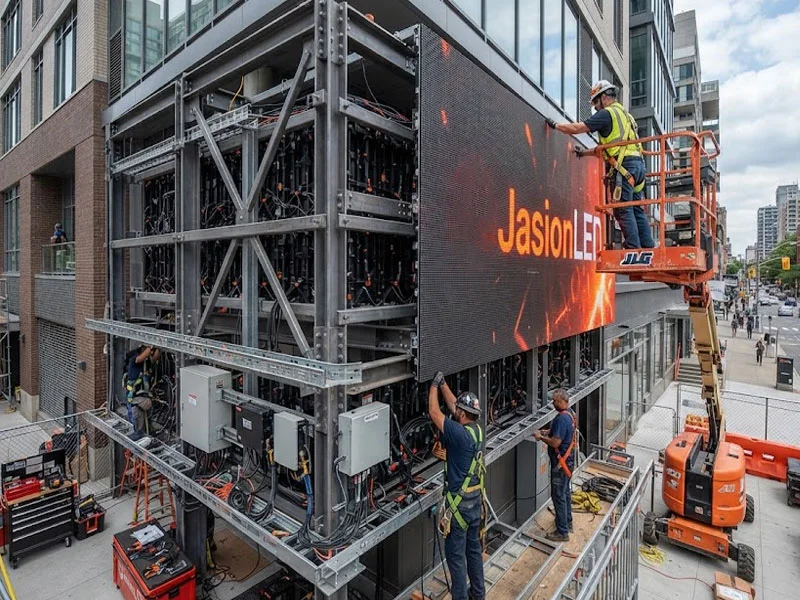
Complex installations, especially outdoor projects, require additional engineering and safety considerations.

Installation-Costs

3. Supporting Equipment

Depending on the application, additional equipment may include:

  • Video processors
  • Sending cards
  • Media players
  • Protective covers
  • Backup power systems
Supporting-Equipment

Main Factors That Affect LED Video Wall Cost

1. Screen Size

The biggest factor affecting LED video wall cost is the total display area.

A large screen requires:

  • More LED modules
  • More cabinets
  • More power supplies
  • More installation materials

For example, a small conference room display may only require a few cabinets, while an outdoor stadium screen may require hundreds.

Before selecting a screen size, businesses should consider:

  • Available installation space
  • Audience distance
  • Content requirements
  • Viewing environment

Choosing the largest possible screen is not always the best option. The ideal size should provide clear visibility while matching the display’s purpose.

2. Pixel Pitch Selection

Pixel pitch is one of the most important technical specifications when determining LED pixels, measured in millimeters.

Example:

A smaller pixel pitch creates higher resolution because the LEDs are positioned closer together.

Small Pixel Pitch LED Displays

Common applications:

  • Control rooms
  • Meeting rooms
  • Broadcast environments
  • Premium retail displays

Advantages:

  • Higher image detail
  • Better close-range viewing
  • Smoother images

However, smaller-pixel-pitch technology requires more LED chips, thereby increasing manufacturing costs.

Large Pixel Pitch LED Displays

Common applications:

  • Outdoor billboards
  • Stadium screens
  • Large advertising displays

Advantages:

  • Lower cost per square meter
  • Suitable for longer viewing distances

Selecting the correct pixel pitch helps avoid unnecessary expenses.

3. Indoor vs Outdoor LED Video Wall Cost

The installation environment significantly affects pricing.

Indoor LED Video Walls

Indoor displays usually require:

  • Lower brightness levels
  • Less weather protection
  • Lightweight cabinets

Common locations:

Because they operate in controlled environments, indoor LED displays generally have simpler designs.

Outdoor LED Video Walls

Outdoor displays require additional protection against:

  • Rain
  • Dust
  • Sunlight
  • Temperature changes

Outdoor LED screens typically need:

  • Higher brightness
  • Waterproof cabinets
  • Stronger materials
  • Weather-resistant components

These additional requirements increase overall project costs.

Indoor-vs-Outdoor-LED-Video-Wall-Cost

4. Brightness Requirements

Brightness determines how clearly the display can be viewed under different lighting conditions.

Brightness is measured in nits (cd/ m²).

Typical requirements:

Indoor Environment

Usually requires moderate brightness because lighting conditions are controlled.

Examples:

  • Offices
  • Retail stores
  • Conference rooms

Outdoor Environment

Requires higher brightness to overcome sunlight.

Examples:

Choosing excessive brightness for an indoor project can increase costs unnecessarily, while insufficient brightness outdoors can reduce visibility.

5. LED Cabinet Type

LED cabinets are the structural units that hold LED modules together.

Different cabinet design affect pricing.

Fixed Installation Cabinets

Designed for permanent installations.

Used for:

  • Buildings
  • Advertising screens
  • Corporate displays

Benefits:

  • Strong structure
  • Reliable operation
  • Long-term use

Rental LED Cabinets

Designed for frequent assembly and transportation.

Used for:

  • Concerts
  • Exhibitions
  • Temporary events

Features:

  • Lightweight design
  • Fast installation
  • Easy maintenance

Rental cabinets often have specialized design, which may affect pricing.

LED-Cabinet-Type

6. LED Component Quality

The quality of components directly affects performance and lifespan.

A professional LED video wall uses:

  • Reliable LED chips
  • High-quality driving ICs
  • Stable power supplies
  • Durable PCB boards
  • Advanced control systems

Lower-cost displays may use cheaper components, which can result in:

  • Uneven brightness
  • Color inconsistency
  • Shorter lifespan
  • Higher maintenance costs

When comparing prices, businesses should consider long-term reliability rather than only initial purchase cost.

7. Installation Complexity

Installation requirements vary depending on the location.

Simple installation may involve:

  • Wall mounting
  • Basic wiring
  • Standard calibration

Complex project may require:

  • Custom steel structures
  • Roof installation
  • Outdoor engineering
  • Electrical upgrades
  • Special mounting systems

Professional installation ensures:

  • Correct alignment
  • Safe operation
  • Better image performance

8. Control System and Software

An LED video wall requires a control system to process and display content.

The system may include:

  • Video processors
  • Sending cards
  • Receiving cards
  • Playback software

Advance control systems provide features such as:

  • Multiple input sources
  • Real-time switching
  • Remote monitoring
  • Content management

For professional application, investing in a reliable control system improves performance and usability.

Control-System-and-Software

LED Video Wall Cost by Application

Different industries have different requirements.

Retail Store LED Display

Retail businesses use LED video walls to attract customers and promote products.

Important considerations:

  • High image quality
  • Bright colors
  • Space limitations

Common choices:

  • Fine pixel pitch indoor displays
  • Creative LED designs

Corporate Meeting Room Displays

Companies use LED video walls for:

  • Presentations
  • Video conferences
  • Training sessions

Important factors:

  • Clear text visibility
  • Close viewing distance
  • Professional appearance

Fine pixel pitch displays are commonly selected for these environments.

Event and Rental LED Screens

Rental companies require displays that are:

  • Lightweight
  • Durable
  • Easy to install

Applications include:

  • Concert
  • Festivals
  • Corporate events
  • Weddings

The cost depends on cabinet design, size, and transportation requirements.

Outdoor Advertising LED Screens

Outdoor advertising displays require:

  • High brightness
  • Weather protection
  • Long operating hours

These systems are designed for continuous operation and require durable components.

LED-Video-Wall-Cost-by-Application

How to Reduce LED Video Wall Cost Without Sacrificing Quality

A lower budget does not always mean choosing the cheapest display.

Here are ways to optimize investment:

1. Choose the Correct Pixel Pitch

Do not automatically select the smallest pixel pitch.

A large pixel pitch may provide excellent image quality if viewers are standing farther away.

2. Plan the Screen Size Carefully

Oversized displays increase costs.

Calculate:

  • Viewing distance
  • Audience size
  • Content type

Before deciding dimensions.

3. Work With an Experienced Manufacturer

A professional LED manufacturer can help recommend:

  • Suitable pixel pitch
  • Cabinet design
  • Brightness level
  • Installation method

This prevents unnecessary upgrades or incorrect specifications.

4. Consider Long-Term Maintenance

A cheaper screen may create higher costs later.

Consider:

  • Spare parts availability
  • Module replacement
  • Technical support
  • Warranty coverage

A reliable LED display provides better value over time.

Conclusion

The cost of an LED video wall depends on many factors, including screen size, pixel pitch, installation environment, brightness requirements, component quality, and customization needs.

Instead of choosing a display based only on price, businesses should evaluate the complete project requirements. The right LED video wall solution balances image quality, durability, maintenance, and long-term value.

By working with an experienced LED display manufacturer, companies can design a system that meets their visual goals while staying within budget.

Scroll to Top

Need Help?

I’m Here
To Assist You